What Is the Best Youth Initiative? Real Programs That Work
 Dec, 2 2025
There’s no single "best" youth initiative. That’s the truth. But there are plenty of ones that actually move the needle-programs that don’t just hand out flyers or host one-off events, but build lasting change through real connection, skill-building, and ownership. If you’re looking for what works, stop chasing shiny labels. Look at what keeps young people coming back, what helps them grow, and what communities notice when it’s gone.
It’s Not About the Name, It’s About the Structure
Many organizations call themselves "youth initiatives." Some are run by adults with good intentions but little understanding of how teens think. Others are led by young people themselves, with mentors in the background. The difference? One burns out after a year. The other becomes a movement.
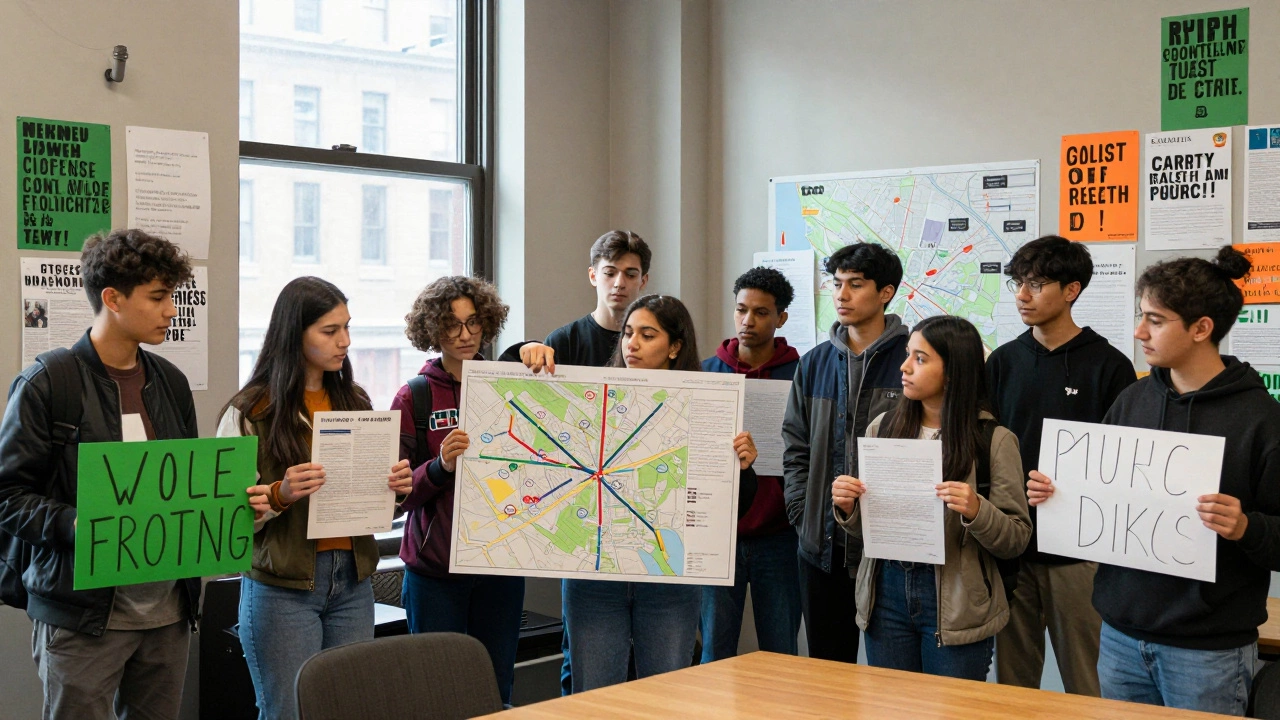
Take the Youth Action Network in Brisbane. Started in 2020 by a group of 15-year-olds frustrated that their ideas were ignored at council meetings, it now has over 200 active members aged 13-21. They don’t wait for permission. They identify a problem-like unsafe bike paths or lack of late-night public transport-and design solutions. Then they pitch them to local leaders with data, petitions, and real stories. In 2024, they got two new bike lanes approved and a pilot for extended bus hours on weekends. No grant money. No fancy consultants. Just kids who were given space to lead.
What Makes a Youth Initiative Stick?
Successful youth initiatives share five core traits:
- Real decision-making power-Young people vote on budgets, choose projects, and hire staff. Not just "we listen to you," but "you decide."
- Adults as facilitators, not bosses-Mentors show up to help with logistics, not to micromanage. They say "How can I help?" not "You should do it this way."
- Skills tied to real outcomes-Teens learn public speaking by presenting to city council. They learn budgeting by managing a $5,000 community project. They learn teamwork by running a food drive for local families.
- Consistency-Weekly meetings, quarterly events, annual goals. No "summer program that ends in September" nonsense.
- Recognition beyond applause-Certificates, paid internships, college recommendation letters, or even small stipends. Young people aren’t volunteers because they’re saints. They’re volunteers because they want to grow.
Compare that to programs that just hand out T-shirts and take group photos. Those might look good on a brochure, but they don’t build confidence. They don’t change lives.
Examples That Actually Deliver
Here are three youth initiatives that aren’t just popular-they’re proven.
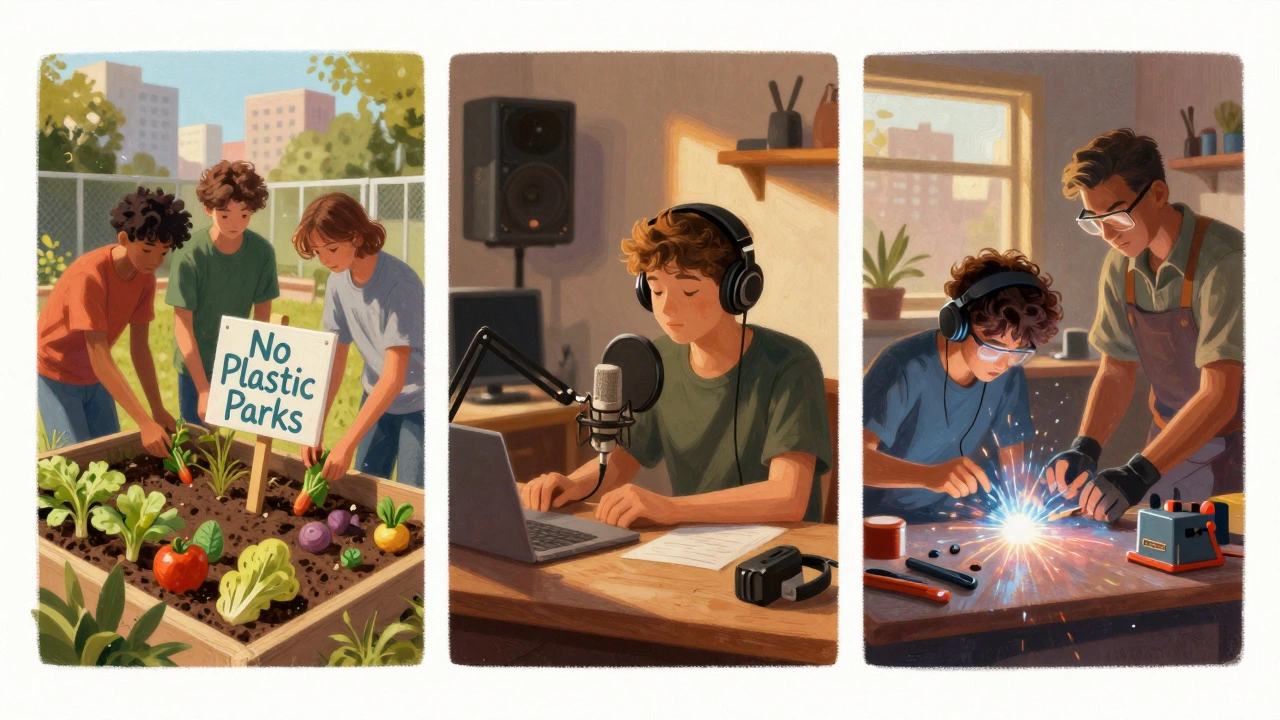
The Green Youth Collective (Australia-wide) trains teens in urban gardening and environmental advocacy. Members don’t just plant vegetables-they design school gardens, teach younger kids, and lobby local councils to ban single-use plastics in public parks. Since 2021, they’ve helped start 47 school gardens and reduced plastic waste in 12 local councils.
Voices Unfiltered (Canada-based, now in 12 countries) is a youth-led media platform. Teens produce podcasts, documentaries, and zines about mental health, identity, and inequality. One 16-year-old reporter interviewed her own family about intergenerational trauma. The episode went viral in schools across Ontario. The program doesn’t just give teens a microphone-it teaches them how to use it responsibly.
Project Leap (Brisbane, started 2022) targets young people who’ve dropped out of school. Instead of pushing them back into classrooms, it connects them with local tradespeople. A teen interested in carpentry gets paired with a builder for six months. They earn a wage, get certified in safety training, and often land full-time jobs by 18. In 2024, 89% of participants stayed employed or enrolled in vocational training.
What Doesn’t Work
Not every program that says "youth-led" actually is.
Watch out for:
- Programs where adults pick the projects and teens just show up to decorate posters.
- Initiatives that require parental consent forms for everything-even basic meetings.
- Groups that only accept "high achievers" or require good grades to join.
- One-off events like talent shows or clean-up days that never lead to ongoing involvement.
These aren’t youth initiatives. They’re adult activities with teens as props.
How to Start or Support a Real Youth Initiative
If you’re a parent, teacher, or community member who wants to help:
- Listen first-Ask teens what they care about. Don’t assume. Write it down. Then ask again in a week.
- Give them control-Let them name the group, choose the meeting time, pick the leader. Even if it’s not your idea.
- Connect them to resources-Help them find a meeting space, apply for small grants, or get a mentor in a field they’re interested in.
- Protect their autonomy-Don’t take credit. Don’t speak for them. Don’t edit their ideas to make them "more professional."
And if you’re a young person? Start small. Talk to three friends. Pick one issue you’re tired of seeing ignored. Draft a one-page plan. Go to your local library or community center and ask if you can use a room on Saturdays. You don’t need permission to begin.
Why This Matters Now More Than Ever
In 2025, young people are facing record levels of anxiety, disconnection, and disillusionment. A 2024 study by the Australian Institute of Family Studies found that 68% of teens aged 15-19 feel like no one in their community truly listens to them. That’s not a statistic. That’s a crisis.
But when young people are given real responsibility, something shifts. They stop feeling powerless. They start believing they can fix things. And that’s the most powerful thing any youth initiative can do-not just change a park or a policy, but change how a young person sees themselves.
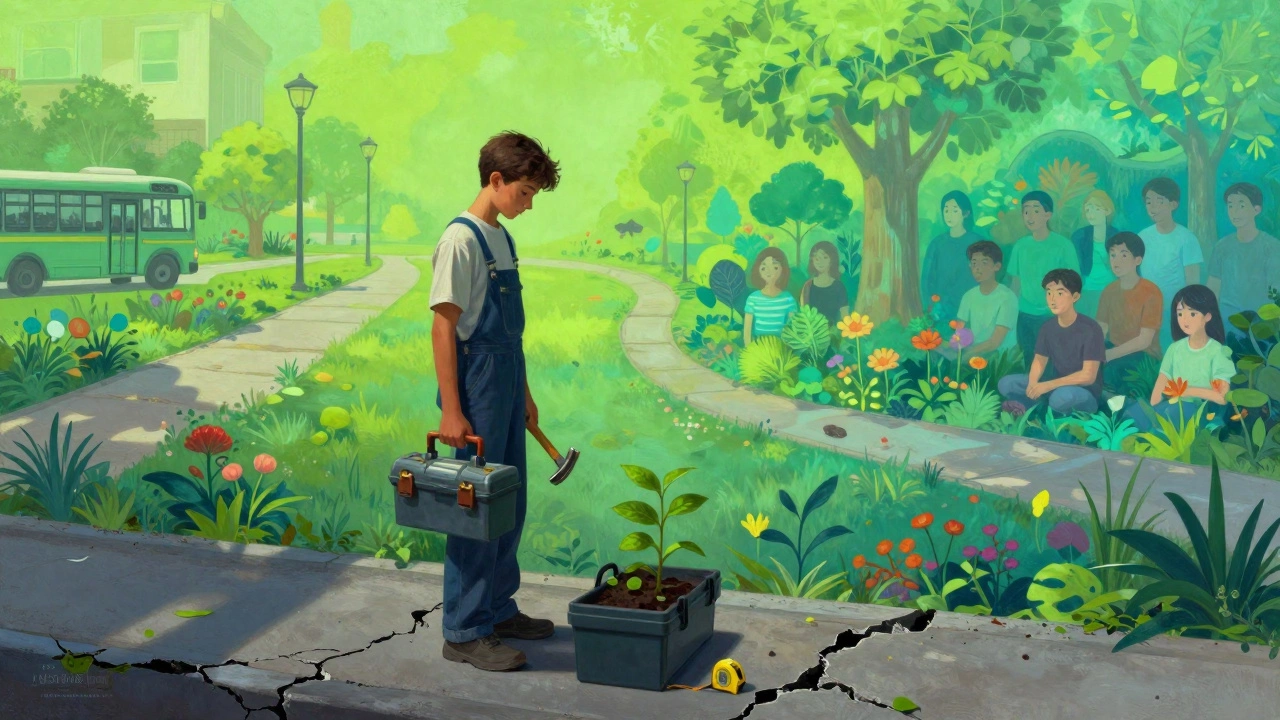
The best youth initiative isn’t the one with the biggest budget or the flashiest website. It’s the one where a 14-year-old walks into a room, says, "This is broken," and walks out with the tools to fix it.
What makes a youth initiative different from a regular club?
A youth initiative gives young people real authority-budget control, decision-making power, and public responsibility. A regular club might focus on hobbies or socializing. A youth initiative focuses on creating change, with teens leading every step.
Can a youth initiative get funding?
Yes, but the best ones don’t wait for it. Many start with small community grants, local business sponsorships, or crowdfunding. The key is having a clear plan, measurable goals, and young people who can present it confidently. Programs like Youth Action Network have secured grants by showing real impact, not just participation numbers.
Are youth initiatives only for high-achieving students?
No. The most effective ones actively reach out to young people who feel left out-those who’ve struggled in school, come from low-income families, or feel disconnected. Project Leap, for example, specifically targets teens who dropped out of school. Success isn’t about grades. It’s about engagement and growth.
How do I find a youth initiative near me?
Check your local council’s youth services page, community centers, or libraries. Many have lists of youth-led groups. You can also search for terms like "youth action group [your city]" or visit websites like Youth Action Network Australia. If nothing exists, start one. You don’t need to wait for someone else to do it.
What’s the biggest mistake adults make when supporting youth initiatives?
Taking over. Adults often jump in to "help" by making decisions, rewriting plans, or speaking for the youth. That kills the whole point. The best adult role is to open doors-find space, connect them to resources, and step back. Let them lead. Let them fail. Let them fix it.