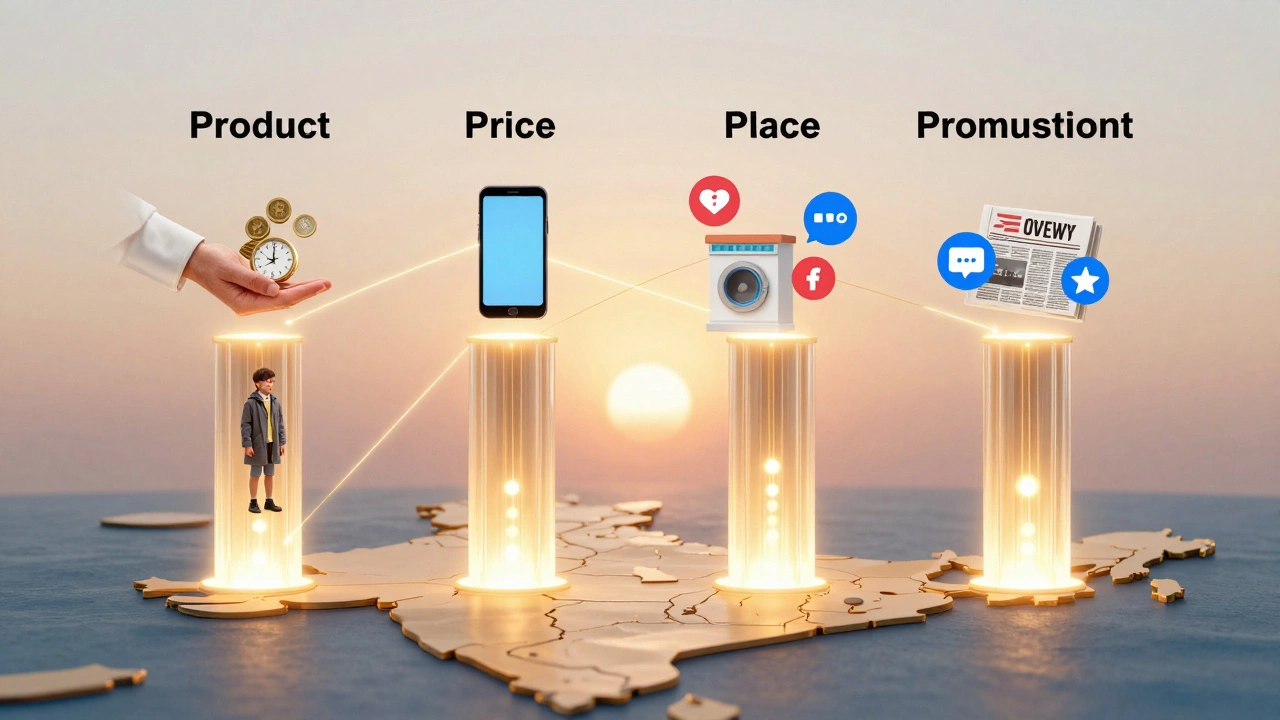
What Are the 4 P's of a Charity? A Simple Guide to Running Successful Charity Events
 Jan, 16 2026
4 P's Charity Event Checker
Check Your Charity Event Plan
This tool evaluates your event against the 4 P's framework (Product, Price, Place, Promotion) with actionable feedback.
P1: Product
What specific change does your event create? (e.g., "1,000 coats for children", "$50,000 for school supplies")
P2: Price
What options do you offer? (e.g., "$10 donation", "2-hour volunteer", "host a mini-fundraiser")
P3: Place
Where is your event accessible? (e.g., "neighborhood centers", "mobile-friendly website", "laundromat drop-off points")
P4: Promotion
How do you reach people? (e.g., "community bulletin boards", "email newsletters", "local radio")
Your Results
When you think of a charity event, you might picture a bake sale, a 5K run, or a gala dinner. But behind every successful event is a plan-something more structured than just hoping people show up and donate. That plan comes down to four simple parts, often called the 4 P's of a charity: Product, Price, Place, and Promotion. These aren’t marketing buzzwords borrowed from big corporations. They’re practical tools that help charities actually raise money, build trust, and make a real difference.
Product: What Are You Really Offering?
The first P isn’t about selling a thing-it’s about the value you’re giving. People don’t donate to your charity because they like your logo. They give because they believe in what you do. So your product is the outcome your charity creates.
Is it meals for homeless families? Tutoring for kids in underfunded schools? Clean water for a village in Kenya? That’s your product. It’s not the event itself-it’s the change the event enables.
Think of it this way: If your charity hosts a walkathon, the walk isn’t the product. The product is the $50,000 raised to buy school supplies for 500 students. The product is the 100 seniors who get weekly meals because of the fundraiser. If you can’t clearly say what change your event creates, you’re not selling anything meaningful.
Successful charities describe their product in human terms, not bureaucratic ones. Instead of saying, “We provide community-based mental health services,” they say, “We help single moms get therapy so they can stop crying themselves to sleep.” That’s the product people connect with.
Price: What Are You Asking For?
Price doesn’t just mean money. It’s the cost to the donor-in time, effort, emotion, or cash.
When you ask someone to donate $25, that’s one kind of price. When you ask them to volunteer for six hours at a food drive, that’s another. When you ask them to share your event on social media, that’s a third. All of these are prices. And if the price feels too high, people walk away.
Here’s what works: Make the price feel fair and easy. A $5 donation with a quick click? That’s low price. Signing up to run a marathon for your cause? That’s high price-and you need to justify it with strong storytelling.
Charities that succeed at pricing don’t just ask for money. They offer options. Give people a choice: $10, $25, $50, or $100. Let them volunteer instead. Let them host a mini-fundraiser with friends. When you give people control over the price, they’re more likely to say yes.
And never forget: The price isn’t just what you charge-it’s what people think they’re giving up. If your event feels like a chore, the price is too high. If it feels like being part of something meaningful, the price feels worth it.
Place: Where Does It Happen?
Place isn’t just about location. It’s about accessibility, convenience, and connection.
If your charity holds a silent auction in a rented hall downtown, but most of your supporters live in the suburbs, you’ve picked the wrong place. If your donation page only works on desktop computers, you’ve picked the wrong place. If your volunteer sign-up form takes 12 minutes to fill out, you’ve picked the wrong place.
Today, place means both physical and digital. People donate on their phones during their lunch break. They sign up to volunteer from their couch. They share your event on Instagram while waiting in line at the grocery store.
Successful charities meet people where they are. That means:
- Having a mobile-friendly donation page
- Hosting events in neighborhood centers, not just fancy hotels
- Offering virtual participation options (like livestreamed events or online auctions)
- Partnering with local businesses to set up donation drop-off points
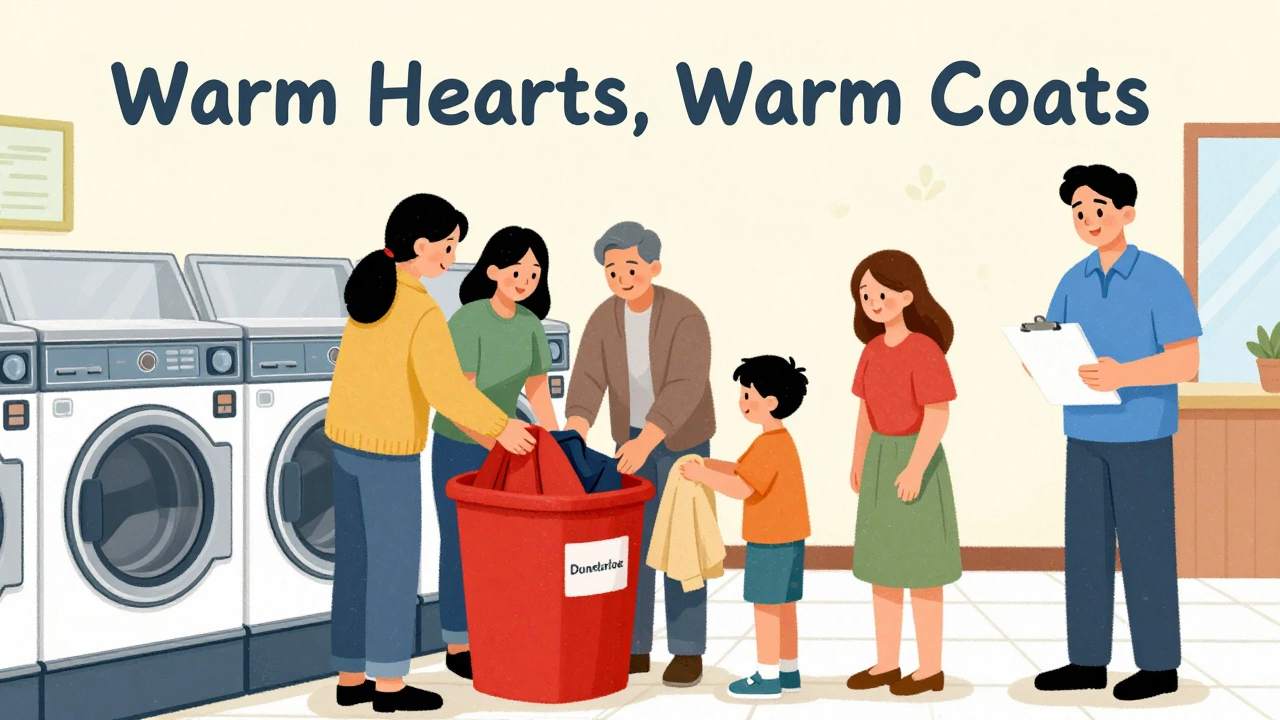
One food bank in Ohio doubled its donations after they started placing donation bins at 15 local laundromats. Why? Because that’s where people already were. They didn’t need to go out of their way. The place worked for them.
Promotion: How Do People Find Out?
Even the best product, price, and place won’t matter if no one knows about it.
Promotion isn’t about flashy ads or viral TikTok trends. It’s about consistent, honest, personal communication.
Most charities make one big mistake: They promote only when they need money. They send an email two weeks before the event, post once on Facebook, and then wonder why attendance is low.
Effective promotion starts months in advance. It’s not one message-it’s a series. Tell the story early: Who will this help? What does success look like? Show real people. Use photos of the kids you’re tutoring, the seniors you’re feeding, the homes you’re repairing.
Use the right channels:
- Local newspapers and radio stations (they love human-interest stories)
- Community bulletin boards (libraries, coffee shops, churches)
- Email newsletters with real updates, not just donation requests
- Volunteers telling their friends face-to-face
- Partnerships with schools, sports teams, or local businesses
One animal rescue group in Texas grew their adoption event attendance by 300% by partnering with a local pet store. They put flyers in the store, let customers donate at checkout, and had volunteers bring adoptable dogs in for weekend visits. People didn’t feel like they were being asked for money-they felt like they were part of something happening right in their neighborhood.
Putting It All Together: A Real Example
Let’s say your charity runs a winter coat drive for families in need.
- Product: Warm coats for 500 children so they don’t freeze walking to school.
- Price: $15 to buy a coat, or 2 hours to help sort donations.
- Place: Drop-off bins at 10 local laundromats, a pop-up collection at the community center, and a website where you can mail in coats.
- Promotion: A video of a 7-year-old saying, “I wore the same coat for three winters,” shared by teachers, posted on Facebook, and featured in the local paper.
That’s not luck. That’s strategy. And it works.
Common Mistakes to Avoid
Even well-meaning charities mess up the 4 P's. Here’s what not to do:
- Don’t assume your product is obvious. Explain it clearly every time.
- Don’t charge too much without offering value. A $100 ticket to a dinner with no real story behind it won’t work.
- Don’t hold events in places people can’t reach. If it’s hard to get to, it won’t get attendance.
- Don’t promote only once. People need to hear it seven times before they act.
Also, avoid vague goals like “raise awareness.” Awareness doesn’t feed anyone. Set a clear target: “Collect 1,000 coats by December 15.” Specific goals drive action.
Why the 4 P's Work for Charities
Big companies use the 4 P's because they’ve been tested for decades. Charities use them because they work-better than any grant application or emotional plea.
They turn abstract goodwill into concrete action. They help you stop guessing and start planning. They make your event feel less like a scramble and more like a movement.
You don’t need a big budget. You don’t need fancy software. You just need to answer four questions:
- What change are we making?
- What are we asking people to give?
- Where can they give it?
- How will they know about it?
Answer those, and you’re already ahead of 80% of charities.
Are the 4 P's only for big charities?
No. The 4 P's work for any size charity. A neighborhood group raising $500 for a playground uses the same logic as a national nonprofit running a million-dollar campaign. It’s about clarity, not scale. Small charities often win because they’re more personal and focused.
Can I use the 4 P's for ongoing programs, not just events?
Absolutely. The 4 P's aren’t just for one-time events. They work for monthly donation drives, volunteer recruitment, even grant applications. For example, if you’re trying to get more monthly donors, your product is “consistent meals for a child every month,” your price is $20/month, your place is your website or text-to-donate system, and your promotion is a story sent every quarter showing how those $20 add up.
What if my charity doesn’t have a product-just a mission?
Every charity has a product. A mission is the big picture. The product is the specific result you deliver. If your mission is “ending hunger,” your product is “1,000 grocery bags delivered to families this month.” If your mission is “supporting veterans,” your product is “50 free therapy sessions provided last quarter.” Turn your mission into a tangible outcome.
Do I need to use all four P's every time?
Yes. Skipping one is like building a house without a foundation. If you have a great product and promotion but the event is at a location no one can reach, attendance will be low. If you have great place and promotion but no clear product, people won’t understand why they should care. All four are needed to make things stick.
How do I know if my 4 P's are working?
Look at your numbers. If donations are up, volunteers are signing up, and people are sharing your posts, your 4 P's are working. If not, pick one P to improve. Test it. For example, if promotion isn’t working, try posting twice a week for a month instead of once. Track the difference. Small changes add up.