How to Start Community Outreach: A Practical Guide for Beginners
 May, 22 2026
Community Outreach Strategy Builder
Step 1: Define Your Primary Goal
Clarity breeds confidence. What is your main objective for the next six months?
Step 2: Identify Key Stakeholders
Who holds influence or resources in your community? Select all that apply.
Step 3: Select Outreach Strategies
Choose 2-3 approaches that fit your resources and timeline.
Cold Emailing
Wide reach, initial awareness. Immediate timeframe but low response rate risk.
Quick StartIn-Person Networking
Building deep trust with local leaders. Time-intensive but high impact.
High TrustPartnership Proposals
Resource sharing and credibility. Requires negotiation and alignment.
Long-termSocial Media Engagement
Youth demographics and visual causes. Ongoing effort with algorithm dependency.
DigitalYour Customized Outreach Plan
Objective
Target Audience
Selected Strategies
Recommended Action Steps
You’ve got a mission. Maybe you’re running a small nonprofit, launching a social enterprise, or just trying to make your neighborhood a better place. But here’s the hard truth: no matter how good your idea is, it won’t survive in a vacuum. You need people. You need trust. You need **community outreach**.
Most organizations fail at this not because they lack passion, but because they treat outreach like a marketing campaign instead of a relationship-building process. They blast emails, show up uninvited, and wonder why doors stay closed. The secret isn’t volume; it’s strategy. It’s showing up where people already are, listening more than you speak, and proving value before asking for anything.
Define Your Purpose Before You Pick Up the Phone
Before you draft a single email or knock on a single door, get brutally honest about why you’re doing this. Are you trying to recruit volunteers? Raise awareness for a cause? Partner with local businesses? Secure funding? Each goal requires a completely different approach.
If you’re vague about your purpose, your message will be too. People can smell desperation or confusion from a mile away. Take an hour to write down exactly what success looks like in six months. If you want fifty new volunteers, say that. If you want three corporate sponsors, name them. Clarity breeds confidence, and confidence builds credibility.
Consider the specific needs of your target area. In Brisbane, for instance, coastal erosion and heatwaves are pressing environmental issues. An outreach program focused on tree planting or beach cleanups resonates differently than one focused on urban gardening. Aligning your purpose with local pain points makes you relevant, not just another organization asking for time.
Identify Who Actually Matters in Your Community
“The community” isn’t a monolith. It’s a messy, vibrant collection of individuals, groups, and institutions. Trying to reach everyone means reaching no one. You need to map out who holds influence, who has resources, and who shares your values.
- Local Leaders: Mayors, council members, and wardens often have the ear of the public. Building rapport with them can open doors to permits, venues, and official endorsements.
- Existing Organizations: Libraries, schools, churches, and community centers are hubs of activity. They already have trust. Partnering with them gives you instant legitimacy.
- Business Owners: Local cafes, shops, and tradespeople care about their neighborhood’s reputation. They might sponsor events, donate supplies, or simply spread the word.
- Influential Individuals: These aren’t necessarily celebrities. They’re the parents who organize school fairs, the retirees who know everyone’s name, or the activists who lead protests. Find them, listen to them, and invite them into your circle.
Create a simple spreadsheet. List names, roles, contact info, and how they connect to your mission. This isn’t stalking; it’s research. When you walk into a room knowing who’s who, you stop being a stranger and start being a colleague.
Craft a Message That Solves Their Problem, Not Yours
This is where most outreach efforts die. We tend to talk about our organization, our history, and our needs. But busy people don’t care about your internal struggles. They care about what’s in it for them and their constituents.
Shift your narrative from “We need help” to “Here’s how we can help you.” If you’re approaching a local business, frame your request around foot traffic, brand visibility, or employee engagement opportunities. If you’re talking to a school principal, focus on student development, curriculum support, or safety initiatives.
Keep your initial communication short and specific. Avoid long paragraphs. Use bullet points. State clearly who you are, what you’re proposing, and why it matters to them. End with a low-commitment call to action, like a fifteen-minute coffee chat or a brief phone call. Make it easy for them to say yes.

Show Up Where People Already Gather
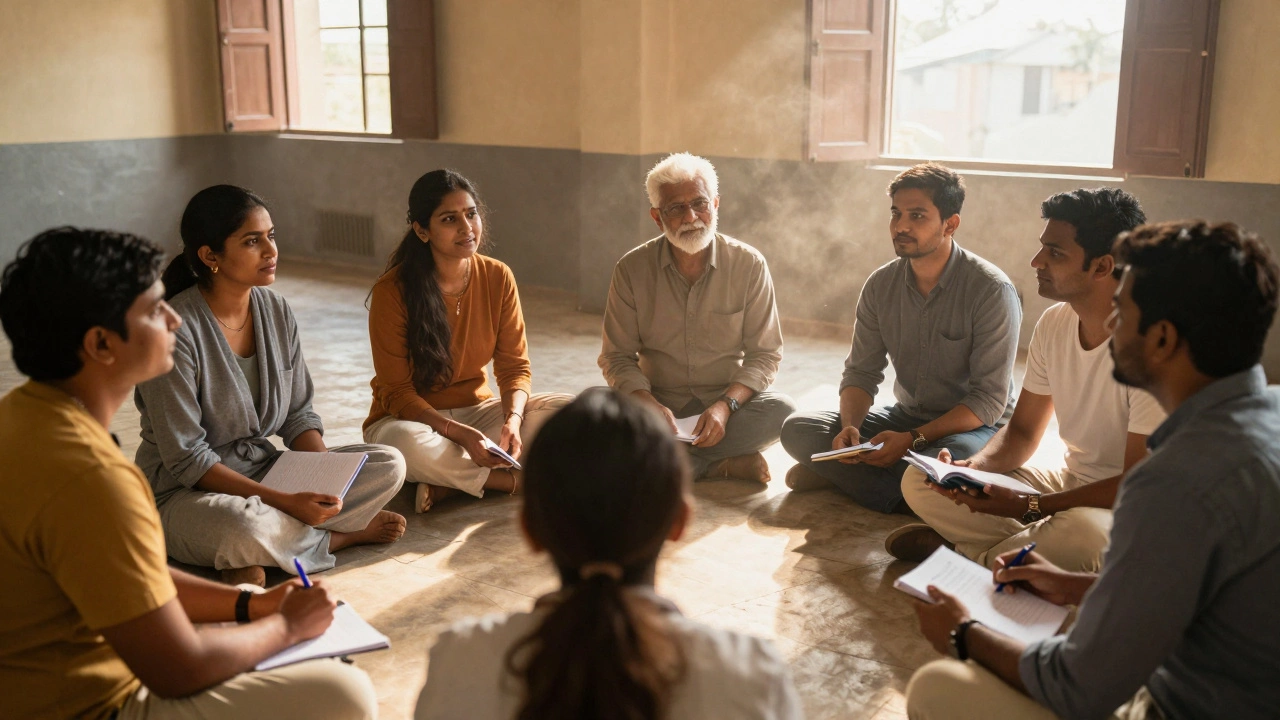
Emails are convenient, but they’re also easily ignored. Real connection happens in person. You need to embed yourself in the physical and digital spaces where your target audience spends time.
Attend local council meetings, even if you don’t speak. Go to farmers' markets, sports games, and cultural festivals. Volunteer at existing events before trying to launch your own. When people see your face regularly, you become familiar. Familiarity breeds trust. Trust leads to collaboration.
Don’t underestimate the power of casual conversation. Strike up chats with stall holders at the market. Ask teachers about their biggest challenges. Listen more than you talk. Note down common themes. These insights will shape your future messaging and make your outreach feel authentic rather than scripted.
Build Partnerships, Not Just Contacts
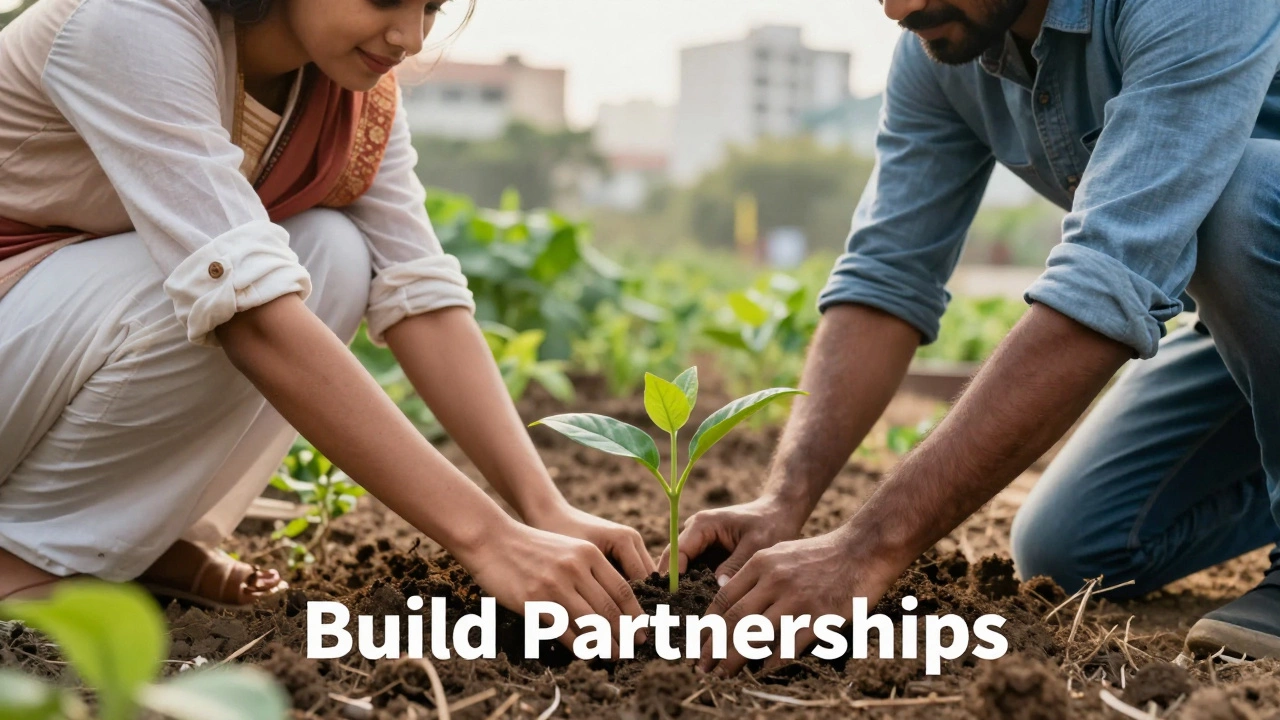
A contact list is useless if those contacts don’t believe in you. Turn acquaintances into allies by delivering value early. Offer to help with their event. Share your expertise. Introduce them to someone useful. Give before you ask.
When you do ask for something, make it clear, reasonable, and mutually beneficial. If you need a venue, offer to promote their business in return. If you need volunteers, provide training and recognition. Treat every interaction as the first step in a long-term relationship, not a transactional exchange.
Follow up consistently. Send thank-you notes. Update partners on progress. Celebrate wins together. People remember how you made them feel. If they feel valued and respected, they’ll champion your cause long after the initial pitch.
| Approach | Best For | Risk | Timeframe |
|---|---|---|---|
| Cold Emailing | Wide reach, initial awareness | Low response rate, perceived as spam | Immediate |
| In-Person Networking | Building deep trust, local leaders | Time-intensive, requires preparation | Medium-term |
| Partnership Proposals | Resource sharing, credibility | Requires negotiation, alignment needed | Long-term |
| Social Media Engagement | Youth demographics, visual causes | Noise, algorithm dependency | Ongoing |
Measure What Actually Moves the Needle
Vanity metrics lie. Having five hundred followers means nothing if none of them ever show up to your event. Define key performance indicators (KPIs) that align with your original purpose.
If your goal is volunteer recruitment, track sign-ups, attendance rates, and retention. If it’s fundraising, monitor donation amounts, donor frequency, and acquisition costs. If it’s awareness, measure media mentions, social shares, and survey results regarding name recognition.
Review these metrics monthly. Adjust your strategy based on data, not gut feeling. If cold emails aren’t working, try warm introductions. If in-person events have low turnout, change the timing or location. Agility is your greatest asset in community work.
Navigate Rejection Without Losing Momentum
You will hear “no.” A lot. Some days it will feel personal. It isn’t. Most rejections are about timing, capacity, or misalignment, not your worth. Learn to separate the outcome from your identity.
Ask for feedback when possible. “I appreciate your time. Is there a specific reason this isn’t a fit right now?” Sometimes you’ll learn valuable information that helps you refine your approach. Other times, you’ll just get silence. Accept it gracefully. Keep moving forward.
Celebrate small wins. Every positive interaction, every shared post, every new volunteer is a brick in the foundation. Community building is a marathon, not a sprint. Consistency beats intensity every time.
Scale Sustainably Through Systems
As your outreach grows, chaos sets in if you don’t have systems. Use simple tools to manage relationships. A CRM (Customer Relationship Management) software doesn’t have to be expensive. Even a well-organized spreadsheet can track interactions, follow-up dates, and partnership statuses.
Document your processes. How do you onboard volunteers? How do you pitch sponsors? Create templates so others can replicate your success. This frees you up to focus on high-level strategy and relationship nurturing rather than administrative tasks.
Delegate early. Identify team members who excel at communication, logistics, or data analysis. Empower them to own parts of the outreach engine. A distributed effort is more resilient and scalable than a hero-dependent model.
How long does it take to build effective community outreach?
Realistically, expect three to six months to see meaningful traction. Initial connections happen quickly, but trust and active participation require consistent engagement over time. Don’t rush the process; patience yields deeper, more loyal relationships.
What is the best way to introduce myself to a local leader?
Research their priorities first. Then send a concise, personalized email referencing a recent initiative of theirs that you admire. Propose a brief, low-pressure meeting to discuss potential synergies. Avoid asking for anything in the first contact; focus on establishing rapport.
Can I do community outreach without a budget?
Absolutely. Authenticity and effort cost nothing. Attend free community events, use social media organically, and leverage personal networks. Focus on providing value through skills and time rather than financial contributions. Many partnerships begin with zero monetary exchange.
How do I handle negative feedback during outreach?
Listen actively without becoming defensive. Acknowledge their concerns sincerely. If valid, adjust your approach. If misunderstood, clarify gently. Document the feedback to identify patterns. Negative input often reveals blind spots that strengthen your long-term strategy.
What role does social media play in modern outreach?
Social media amplifies your message but shouldn’t replace face-to-face interaction. Use platforms like Instagram or LinkedIn to share stories, update stakeholders, and tag partners. However, prioritize direct conversations for building genuine trust and securing commitments.