What is Virtual Volunteering? A Complete Guide to Remote Giving
 May, 21 2026
Virtual Volunteering Matchmaker
Select all that apply
Your Recommended Path
Select your options and click "Find My Virtual Role" to see personalized recommendations.
Imagine you are sitting at your kitchen table in Brisbane, sipping coffee, and helping a non-profit in Nairobi organize their donor database. You haven't left the house, but you have just made a tangible impact on someone's life thousands of miles away. This is the reality of virtual volunteering. It is not a new fad or a temporary fix for busy schedules; it is a fundamental shift in how we give back to our communities.
For decades, volunteering meant showing up at a soup kitchen, picking up litter in a park, or walking dogs at a shelter. While those activities remain vital, the rise of high-speed internet and collaborative software has unlocked a whole new dimension of service. Virtual volunteering allows individuals to contribute their time, skills, and expertise remotely. It breaks down geographical barriers, physical limitations, and scheduling conflicts that often prevent people from getting involved.
What exactly is virtual volunteering?
Virtual volunteering is any charitable activity performed using digital tools and the internet. It involves working remotely for a non-profit organization, cause, or community group. Unlike traditional volunteering, which requires physical presence, virtual volunteering can be done from anywhere with an internet connection. Tasks range from simple data entry to complex project management, graphic design, coding, and online mentoring.
The Core Components of Digital Service
To understand what virtual volunteering truly entails, we need to look at its building blocks. It is not just "working online." It is a structured exchange of value between a skilled individual and an organization in need. The core components include the platform, the task, and the connection.
First, there is the digital platform. This could be a dedicated portal like VolunteerMatch or Catchafire, or simply a Slack channel set up by a local charity. These platforms act as the bridge, matching volunteers with opportunities that fit their skills and availability. They handle the logistics: communication, file sharing, and progress tracking.
Second, there is the task itself. In the past, many organizations assumed volunteers only had time for low-skill tasks like folding clothes or serving food. Virtual volunteering flips this script. It allows professionals to offer high-value services. A marketing manager might create a social media campaign. An accountant might review financial statements. A writer might draft grant proposals. These are tasks that require specific expertise, making the volunteer's contribution more impactful than ever before.
Third, there is the human connection. Even though the interaction is digital, the relationship remains personal. Volunteers often work closely with staff members, other volunteers, and sometimes the beneficiaries themselves. Video calls, instant messaging, and collaborative documents help maintain this sense of community and purpose. The key is intentionality. Organizations must make an effort to integrate remote volunteers into their culture, ensuring they feel valued and connected despite the physical distance.
Why Virtual Volunteering Matters Now More Than Ever
You might wonder why this matters so much in 2026. The answer lies in accessibility and efficiency. Traditional volunteering has always faced barriers. If you live in a rural area, commute two hours a day, or have mobility issues, finding a nearby opportunity can be difficult. Virtual volunteering removes these obstacles. It democratizes giving, allowing anyone with an internet connection to participate.
Consider the perspective of a parent with young children. Finding childcare during evening shifts at a community center is tough. But logging on after the kids go to bed to translate documents for a refugee support agency? That fits perfectly into their schedule. Flexibility is the superpower of virtual volunteering. It allows people to contribute in small, manageable bursts rather than committing to rigid, long-term shifts.
From an organizational standpoint, non-profits benefit greatly too. Many charities operate on shoestring budgets. Hiring full-time staff for specialized roles like web development or legal advice is often impossible. By tapping into the pool of virtual volunteers, they gain access to world-class talent without the overhead costs. This leverages the collective skills of the community to solve real problems.
- Accessibility: Removes geographic and physical barriers to participation.
- Flexibility: Allows volunteers to work around their existing commitments.
- Cost-Effectiveness: Provides organizations with skilled labor at little to no cost.
- Diversity: Attracts a wider range of participants from different backgrounds and locations.
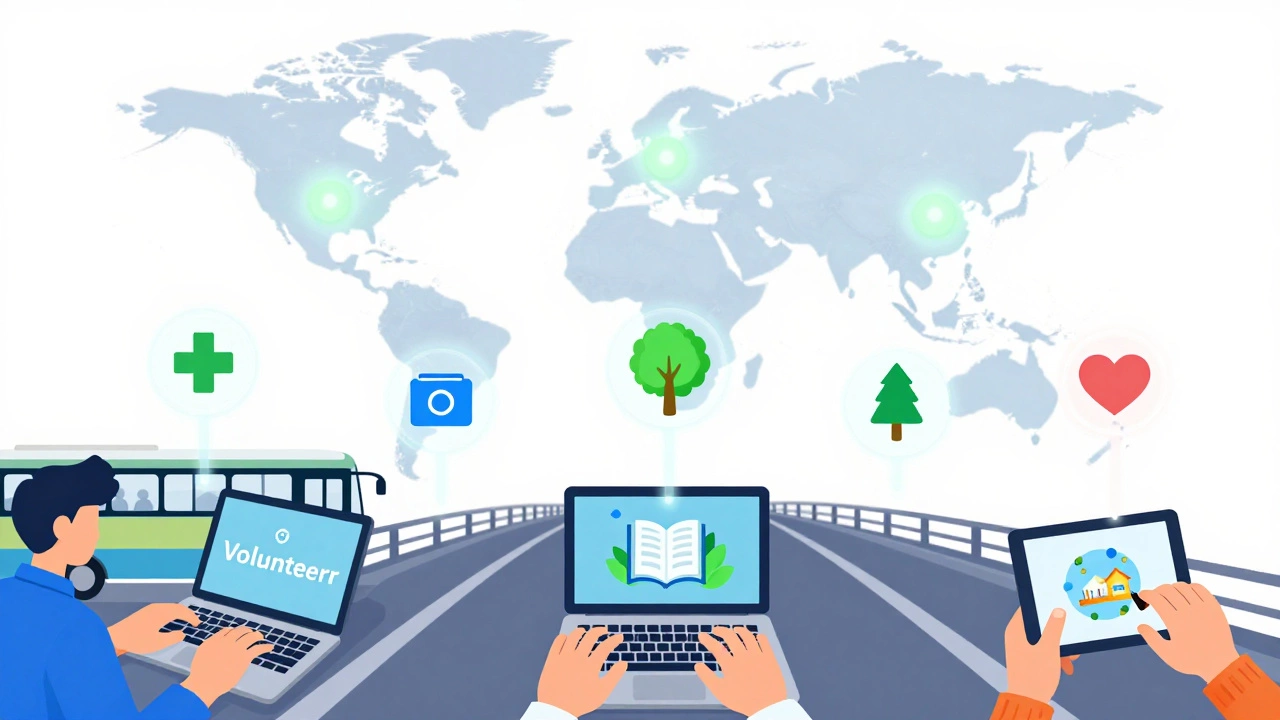
Types of Virtual Volunteer Opportunities
One of the biggest misconceptions about virtual volunteering is that it is limited to data entry or answering emails. In reality, the scope is vast. Here are some common types of opportunities you might encounter:
- Skill-Based Volunteering: This is where you use your professional expertise. If you are a graphic designer, you might create logos or flyers. If you are a programmer, you could build a website or app. These projects often have clear deliverables and timelines.
- Online Mentoring and Tutoring: Platforms like Big Brothers Big Sisters or local schools often seek mentors who can meet with youth via video call. You might help a student with homework, guide a young professional in their career, or provide emotional support to someone going through a tough time.
- Crowdsourcing and Micro-Tasks: Some projects break large tasks into tiny pieces. For example, transcribing historical documents, tagging images for research purposes, or translating short phrases. These tasks can be completed in minutes, making them ideal for people with very limited time.
- Advocacy and Awareness: You can help spread the word about a cause by managing social media accounts, writing blog posts, or creating email newsletters. Your goal is to engage the public and drive action, whether that means donations, signatures, or policy changes.
- Research and Analysis: Non-profits often need help gathering data. You might conduct surveys, analyze trends, or compile reports. This work supports evidence-based decision-making and helps organizations prove their impact to funders.
Each type offers a different level of commitment and skill requirement. The beauty of virtual volunteering is that you can choose what fits your lifestyle. You don't have to be an expert to start; many organizations are happy to train you in basic tasks.
How to Get Started: A Step-by-Step Guide
Finding the right virtual volunteering opportunity doesn't have to be overwhelming. Follow these steps to begin your journey:
1. Identify Your Skills and Interests. Make a list of what you are good at and what causes you care about. Do you love animals? Are you great at Excel? Do you speak a second language? Being specific helps you find matches that are both fulfilling and useful.
2. Choose a Reputable Platform. There are several websites dedicated to connecting volunteers with organizations. Popular options include VolunteerMatch, Idealist, and Catchafire. Look for platforms that verify their partner organizations to ensure your time goes to legitimate causes.
3. Create a Strong Profile. Treat your volunteer profile like a resume. Highlight your relevant experience, education, and soft skills. Write a brief bio that explains why you want to volunteer. This helps organizations see you as a valuable asset rather than just another name in the database.
4. Start Small. Don't commit to a massive project right away. Look for short-term tasks or one-off events. This allows you to test the waters, see how the organization operates, and decide if it's a good fit for you.
5. Communicate Clearly. Once you land an opportunity, establish clear expectations. Ask about deadlines, communication channels, and required tools. Regular check-ins with your supervisor ensure you stay on track and feel supported.
| Feature | Virtual Volunteering | Traditional Volunteering |
|---|---|---|
| Location | Anywhere with internet | Physical site required |
| Time Commitment | Flexible, often asynchronous | Fixed shifts, synchronous |
| Skills Required | Often specialized/professional | General labor or basic tasks |
| Interaction | Digital (email, video, chat) | In-person face-to-face |
| Barrier to Entry | Low (no travel needed) | Higher (transport, childcare) |

Potential Challenges and How to Overcome Them
While virtual volunteering offers many benefits, it is not without its challenges. Understanding these pitfalls upfront can help you navigate them successfully.
Isolation is a common issue. Working alone on a screen can feel disconnected from the mission. To combat this, seek out organizations that foster community. Join group chats, attend virtual town halls, and schedule regular video calls with your team. Building relationships takes effort, but it makes the experience much more rewarding.
Technology Barriers can also arise. Not everyone has reliable high-speed internet or the latest software. If you run into technical difficulties, communicate early with your coordinator. Most organizations are willing to provide alternatives or guidance. Additionally, ensure your home workspace is ergonomic and conducive to productivity.
Misaligned Expectations can lead to frustration. Sometimes, organizations underestimate the time a task will take, or volunteers overestimate their capacity. Clear communication is key. Define deliverables, timelines, and success metrics from the start. If something isn't working, speak up immediately. Adjustments are normal and expected in any volunteer role.
The Future of Remote Giving
As technology continues to evolve, so too will virtual volunteering. We are already seeing the integration of artificial intelligence to match volunteers with opportunities more precisely. Virtual reality may soon allow for immersive experiences, such as virtually visiting a conservation site or interacting with beneficiaries in a simulated environment.
The trend toward remote work in the corporate sector has also blurred the lines between paid employment and volunteering. Companies are increasingly encouraging employees to use their paid time off for virtual volunteering, recognizing the value of skill-based contributions. This corporate-social responsibility angle brings even more resources and attention to the non-profit sector.
Ultimately, virtual volunteering is about expanding the circle of compassion. It invites everyone, regardless of location or circumstance, to play a part in building a better world. Whether you have five minutes or five hours, there is a place for you. The question is no longer "Can I afford to volunteer?" but rather "How can I best use my unique talents to help others?"
Is virtual volunteering considered professional experience?
Yes, absolutely. Many employers view virtual volunteering, especially skill-based roles, as valuable professional experience. It demonstrates initiative, adaptability, and the ability to work remotely. You can list these roles on your resume and LinkedIn profile, highlighting the specific skills you used and the impact you made.
Do I need special equipment to volunteer virtually?
Generally, you just need a computer or tablet with a stable internet connection. Depending on the role, you might need specific software (like Adobe Creative Suite for design or Microsoft Office for admin tasks). Most organizations will specify their requirements in the job description. For video calls, a webcam and microphone are helpful but not always mandatory.
How do I ensure my data is safe while volunteering online?
Reputable organizations prioritize data security. They should use secure platforms for file sharing and communication. Avoid volunteering with groups that ask for sensitive personal information upfront or use unsecured email for confidential data. Always check if the organization has a privacy policy and follows best practices for data protection.
Can I volunteer internationally without traveling?
Yes, virtual volunteering is perfect for international engagement. Many global NGOs seek remote help with translation, research, and advocacy. Just be mindful of time zone differences and cultural nuances. Effective cross-cultural communication is essential for successful international collaboration.
What if I don't have any specialized skills?
You don't need to be an expert to start. Many organizations offer training for basic tasks like data entry, transcription, or social media moderation. Soft skills like empathy, reliability, and good communication are highly valued. Start with general roles and gradually take on more complex tasks as you gain confidence and experience.