What Is Community Outreach? Definition, Examples, and How It Works
 Jun, 2 2026
Community Outreach Strategy Builder
Step 1: Define Your Primary Goal
What is the main purpose of your outreach initiative?
Step 2: Identify Target Audience
Who are you trying to reach with this outreach?
Step 3: Assess Available Resources
What resources do you have for this initiative?
Your Customized Outreach Strategy
Frequently Asked Questions
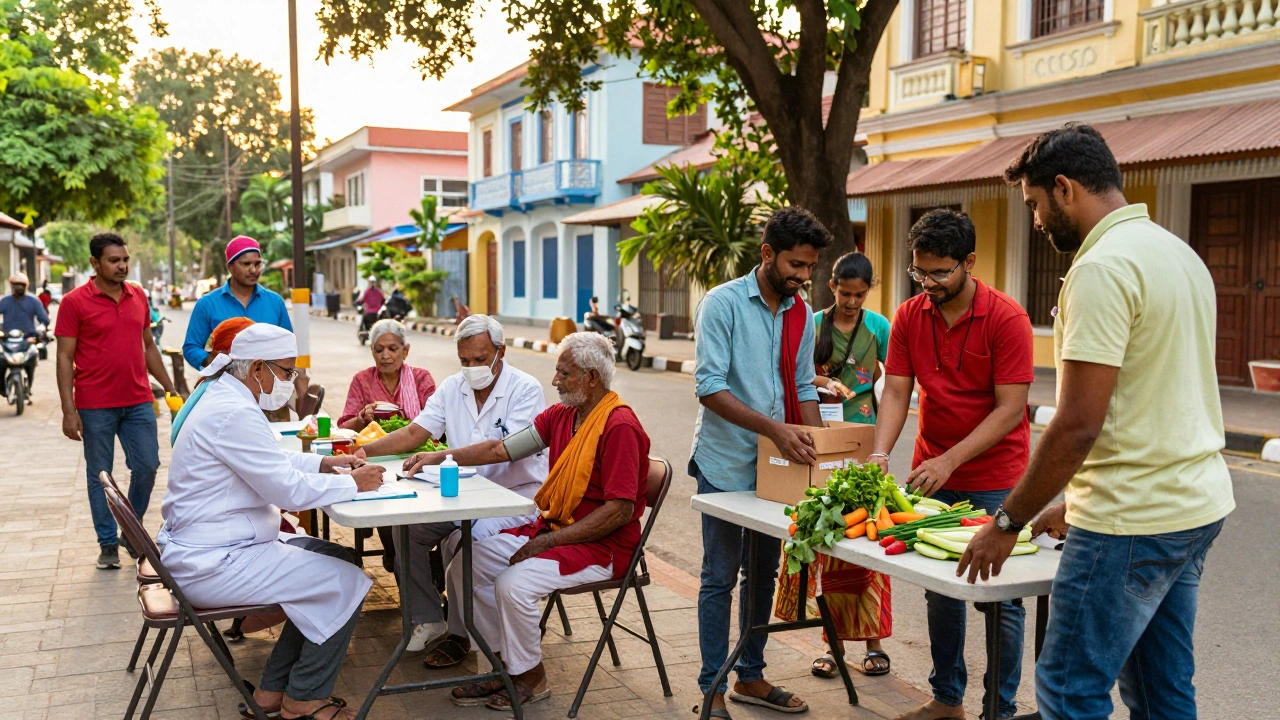
Imagine walking down a street in your neighborhood. You see a group of people setting up tables with free health screenings, handing out flyers for a local food drive, or organizing a cleanup crew to pick up litter near the park. That is community outreach, defined as organized efforts by individuals or organizations to connect with and support the needs of a specific population. It sounds simple enough, but it is much more than just being nice to neighbors. It is a strategic bridge between those who have resources and those who need them.
When you ask what the meaning of community outreach is, you are really asking how societies build trust and solve problems together. Whether it is a corporation trying to improve its public image or a non-profit fighting homelessness, outreach is the vehicle that delivers help where it matters most. Without it, even the best intentions often fail to reach the people who need them.
The Core Definition: More Than Just Helping Out
At its heart, community outreach is about relationship building. It is not a one-way transaction where someone gives something away and walks off. Instead, it involves active listening, understanding local culture, and identifying real gaps in services. For example, a library might notice that teenagers are not visiting because they lack quiet study spaces. An outreach program wouldn't just buy books; it would create a dedicated teen zone with Wi-Fi and comfortable seating, inviting young people to help design the space.
This approach shifts the dynamic from "saving" a community to partnering with it. The goal is empowerment. When an organization reaches out, it acknowledges that the community members are experts on their own lives. This respect creates lasting change rather than temporary fixes.
Who Does Community Outreach?
You might assume only charities do outreach, but the reality is broader. Several types of entities engage in these activities, each with different motivations and methods:
- Non-Profit Organizations: These groups rely on outreach to fulfill their mission. A homeless shelter uses outreach workers to meet individuals on the streets, offering immediate aid like socks and sandwiches while building trust for long-term housing solutions.
- Corporations: Businesses use Corporate Social Responsibility (CSR) programs to give back. A tech company might sponsor coding workshops for underprivileged students, aiming to diversify the future workforce while supporting education.
- Government Agencies: Local councils run outreach to inform citizens about new laws, health initiatives, or voting registration. They need to ensure information reaches everyone, including marginalized groups who might be disconnected from mainstream media.
- Schools and Universities: Educational institutions reach out to keep students engaged, prevent dropout rates, and involve parents in the learning process. They also recruit students from diverse backgrounds to enrich the campus environment.
Each player brings unique resources. Non-profits bring passion and specialized knowledge. Corporations bring funding and scale. Governments bring authority and infrastructure. When they collaborate, the impact multiplies.
Real-World Examples of Effective Outreach
To truly understand the meaning of community outreach, look at concrete actions. Abstract concepts fade, but tangible results stick. Here are three common scenarios where outreach makes a visible difference:
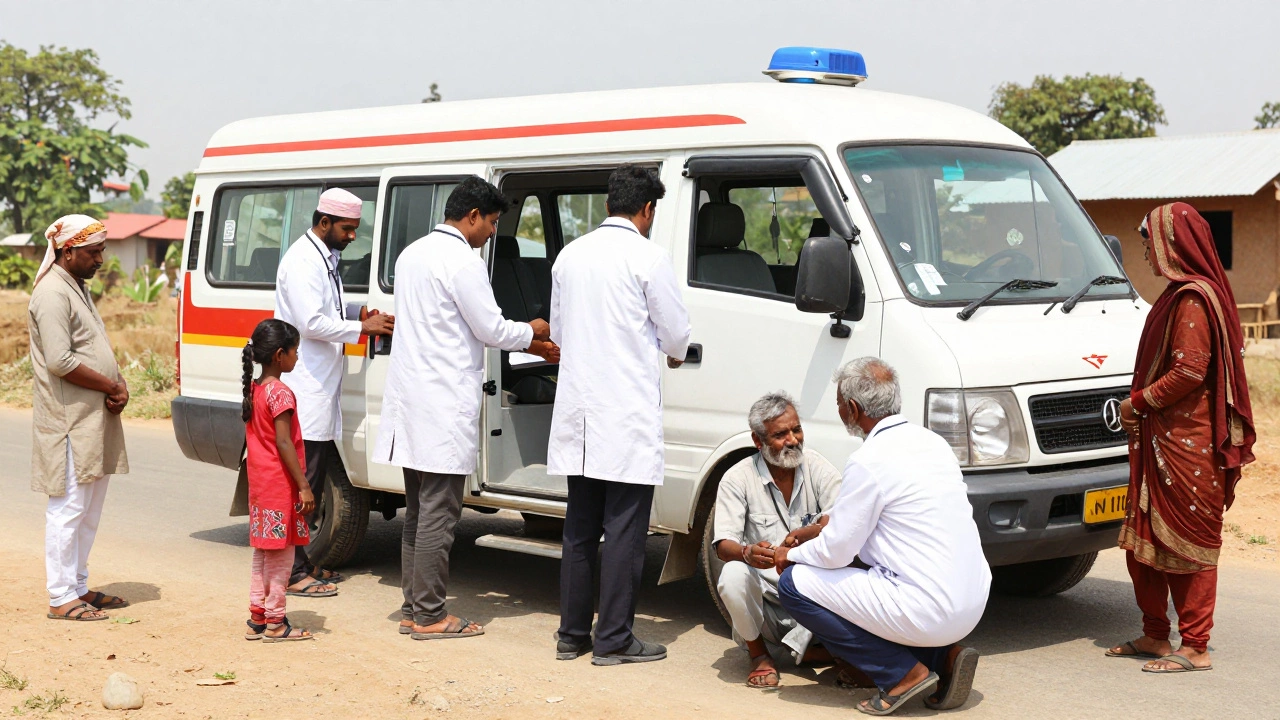
Healthcare Access: In many areas, rural residents struggle to see specialists. Mobile clinics serve as outreach units, driving into remote towns to provide vaccinations, blood pressure checks, and dental care. By bringing the service to the people, they remove transportation barriers that often prevent care.
Food Security: Food banks don't just sit behind closed doors waiting for donations. Active outreach involves staff visiting senior centers or apartment complexes to identify elderly residents who live alone and may not know how to apply for assistance. They might deliver groceries directly or set up pop-up distribution points at bus stops.
Youth Mentorship: After-school programs act as safe havens for at-risk youth. Outreach coordinators visit schools to identify students who need extra support, then invite them to join sports leagues or art classes. This connection provides mentorship and keeps kids off the streets during critical hours.
| Strategy Type | Primary Goal | Key Metric for Success | Example Activity |
|---|---|---|---|
| Direct Service | Immediate relief | Number of people served | Free meal distribution |
| Educational | Knowledge transfer | Attendance and retention | Financial literacy workshops |
| Advocacy | Policy change | Petitions signed / Laws passed | Community town halls |
| Partnership | Resource sharing | New collaborations formed | Business-nonprofit alliances |
Why Does It Matter? The Ripple Effect
Outreach isn't just good PR; it stabilizes society. When communities feel seen and supported, crime rates tend to drop, mental health improves, and economic participation rises. Consider the concept of social capital-the networks of relationships among people who live and work in a particular society. Strong outreach builds this capital.
For businesses, it reduces risk. A company that ignores its local community may face boycotts or regulatory hurdles. One that invests in outreach builds goodwill, which can translate into customer loyalty and employee satisfaction. Employees often prefer working for companies that align with their values, and outreach demonstrates those values in action.
For individuals, volunteering through outreach programs provides personal growth. It fosters empathy, improves communication skills, and expands professional networks. It breaks down stereotypes by putting faces to statistics. You stop seeing "the homeless" as a vague problem and start seeing John, who lost his job due to injury, or Maria, who escaped domestic violence.
Common Pitfalls to Avoid
Even well-meaning outreach can fail if done poorly. Here are mistakes that undermine the purpose:
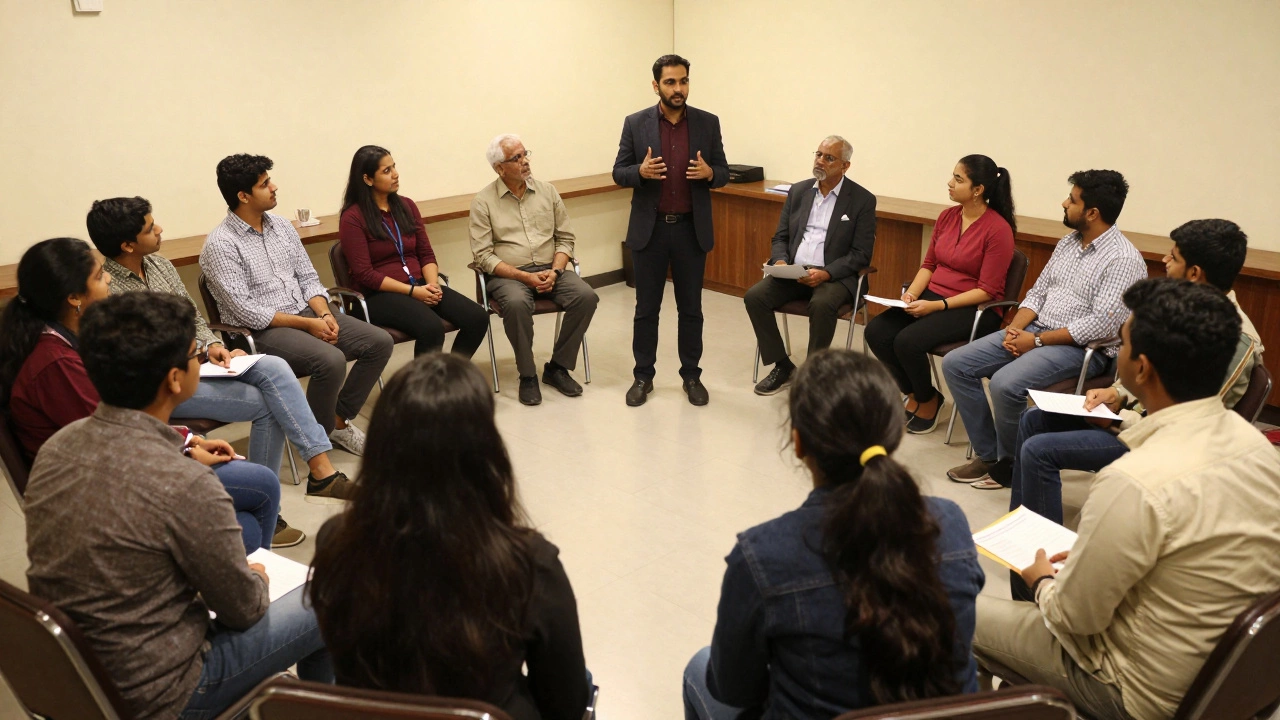
- Assuming Needs: Don't guess what a community wants. Ask them. Surveys, focus groups, and informal chats reveal insights that data alone cannot. Imposing solutions without consultation often leads to wasted resources and resentment.
- Short-Term Thinking: Showing up once a year for a photo op is not outreach; it's exploitation. Consistency builds trust. Regular presence shows commitment beyond headlines.
- Lack of Cultural Sensitivity: Ignoring local customs, languages, or religious practices alienates the very people you aim to help. Hire staff from the community or partner with cultural leaders to navigate these nuances respectfully.
- Ignoring Feedback Loops: If you launch a program, track its impact. Are people actually benefiting? Adjust based on feedback. Static programs become irrelevant over time.
How to Start Your Own Outreach Initiative
If you want to make a difference, you don't need a massive budget. Start small and think strategically. First, identify a gap. Talk to friends, family, and local leaders. What is missing? Maybe there's no place for seniors to eat lunch, or teens have nowhere to go after school.
Next, find partners. You don't have to do it alone. Connect with existing organizations. A church might have space, a business might donate supplies, and volunteers might offer time. Collaboration leverages strengths and shares burdens.
Finally, measure your impact. Keep records. Did you feed fifty people? Did ten students sign up for tutoring? Use these numbers to refine your approach and attract further support. Transparency builds credibility.
Is community outreach the same as volunteering?
Not exactly. Volunteering is an individual act of giving time or skills. Community outreach is a structured effort, often organized by a group, to connect with and assist a specific population. While volunteers often carry out outreach tasks, outreach itself refers to the strategy and relationship-building aspect.
Why do corporations invest in community outreach?
Corporations invest in outreach to build brand reputation, foster employee engagement, and contribute to societal stability. A strong community presence can lead to customer loyalty and a positive public image. Additionally, it helps create a skilled future workforce and supportive local economy.
How can I measure the success of an outreach program?
Success can be measured through quantitative metrics like the number of participants, funds raised, or services delivered. Qualitative measures include participant feedback, stories of impact, and changes in community sentiment. Combining both gives a holistic view of effectiveness.
What is the difference between outreach and advocacy?
Outreach focuses on direct interaction and service delivery to meet immediate needs. Advocacy aims to influence policy, laws, or public opinion to address root causes. Often, outreach informs advocacy by highlighting systemic issues that require broader change.
Can small businesses effectively do community outreach?
Yes, small businesses can be highly effective. They often have deeper local ties than large corporations. Simple acts like sponsoring a little league team, donating inventory, or hosting skill-sharing workshops can build strong community bonds and enhance local visibility.