What Are the Duties of a Community Outreach Worker? A Complete Guide
 Jun, 30 2026
Community Outreach Worker Suitability Assessment
Select the skills you strongly possess or enjoy practicing. Based on the article, effective outreach requires a unique blend of empathy, administrative precision, and resilience.
Empathy
Deep understanding of others' feelingsCommunication
Active listening & clear expressionOrganization
Record keeping & multitaskingResilience
Handling stress & avoiding burnoutCultural Competency
Respecting diverse backgroundsProblem-Solving
Creative solutions for crisesAssessment Result
Based on selected skills
Recommended Next Steps:
You see them at the food bank handing out boxes. You hear them speaking at town halls about new housing policies. They are the bridge between isolated individuals and the resources that can change their lives. These are community outreach workers, professionals dedicated to connecting vulnerable populations with essential services. But what exactly do they do when the cameras are off and the events end?
The role is far more complex than simply distributing flyers. It requires a unique blend of empathy, administrative precision, and street smarts. If you are considering this career path or looking to hire for these positions, understanding the specific daily tasks and long-term goals is crucial. This guide breaks down the real-world duties, required skills, and challenges of working in community outreach.
Core Responsibilities: The Daily Grind
The day-to-day life of an outreach worker varies depending on whether they work for a government agency, a non-profit organization, or a private corporation. However, the core mission remains consistent: identify needs and connect people to solutions.
Direct Client Interaction
This is the heart of the job. Outreach workers spend a significant portion of their time face-to-face with community members. This involves:
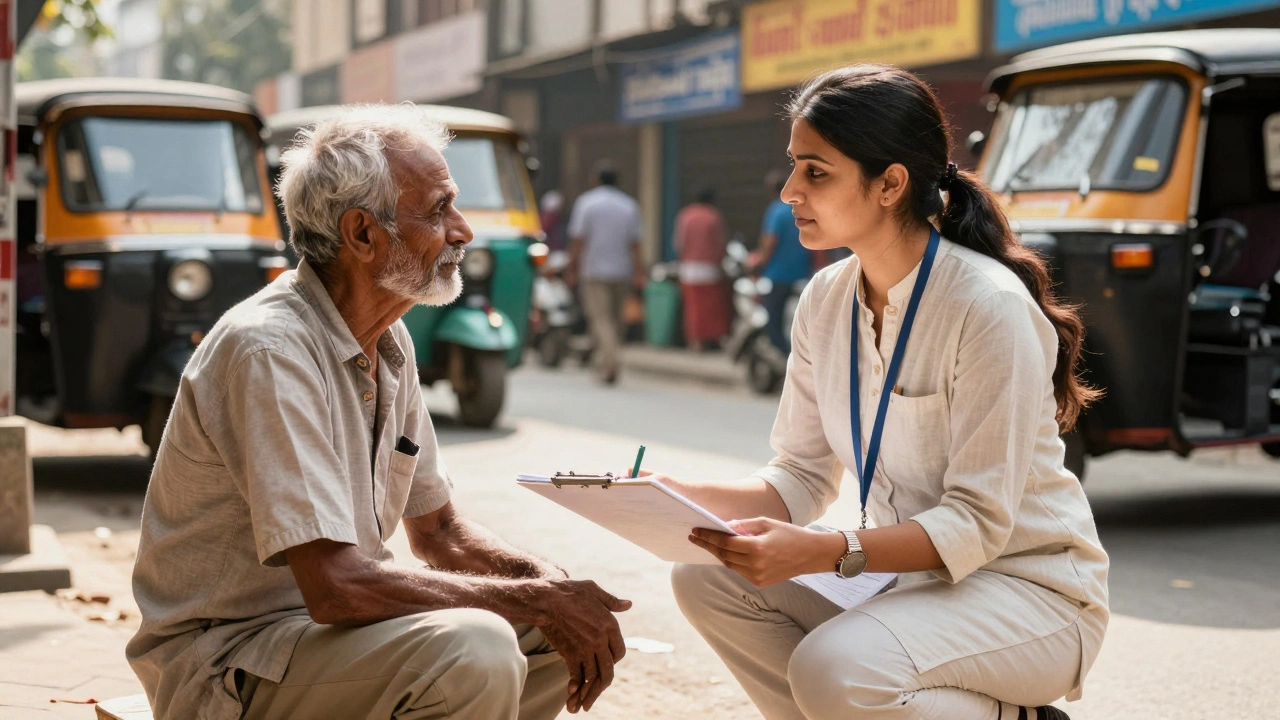
- Needs Assessment: Conducting initial interviews to understand a client's situation. Are they homeless? Do they need mental health support? Are they struggling with unemployment? The worker must quickly build trust to get accurate information.
- Crisis Intervention: Sometimes, interactions turn urgent. An outreach worker might encounter someone experiencing a mental health crisis or domestic violence. They must de-escalate the situation and connect the individual with emergency services immediately.
- Resource Referral: Once needs are identified, the worker acts as a navigator. They don't just give advice; they provide concrete steps. This means filling out applications for housing assistance, scheduling medical appointments, or enrolling children in school programs.
Field Work and Home Visits
Outreach isn't confined to an office. Workers often go into the field-literally walking neighborhoods, visiting shelters, or conducting home visits. For example, a youth outreach worker might visit high schools to identify at-risk students before they drop out. A homeless outreach worker might set up a tent in a known encampment to offer hygiene kits and warm meals while building rapport with residents.
Case Management and Documentation
Behind every successful connection is a mountain of paperwork. Outreach workers must maintain detailed records of client interactions, progress, and referrals. This documentation is vital for:
- Tracking client outcomes over time.
- Meeting compliance requirements for funding agencies.
- Ensuring continuity of care if another worker takes over the case.
Poor documentation can lead to lost clients and failed audits, making this administrative duty just as critical as the emotional labor of the field work.
Building Bridges: Community Engagement and Advocacy
While direct service is immediate, systemic change is slow. A major part of an outreach worker's duty is acting as an advocate for the communities they serve. This shifts the focus from helping one person to helping thousands.
Organizing Events and Workshops
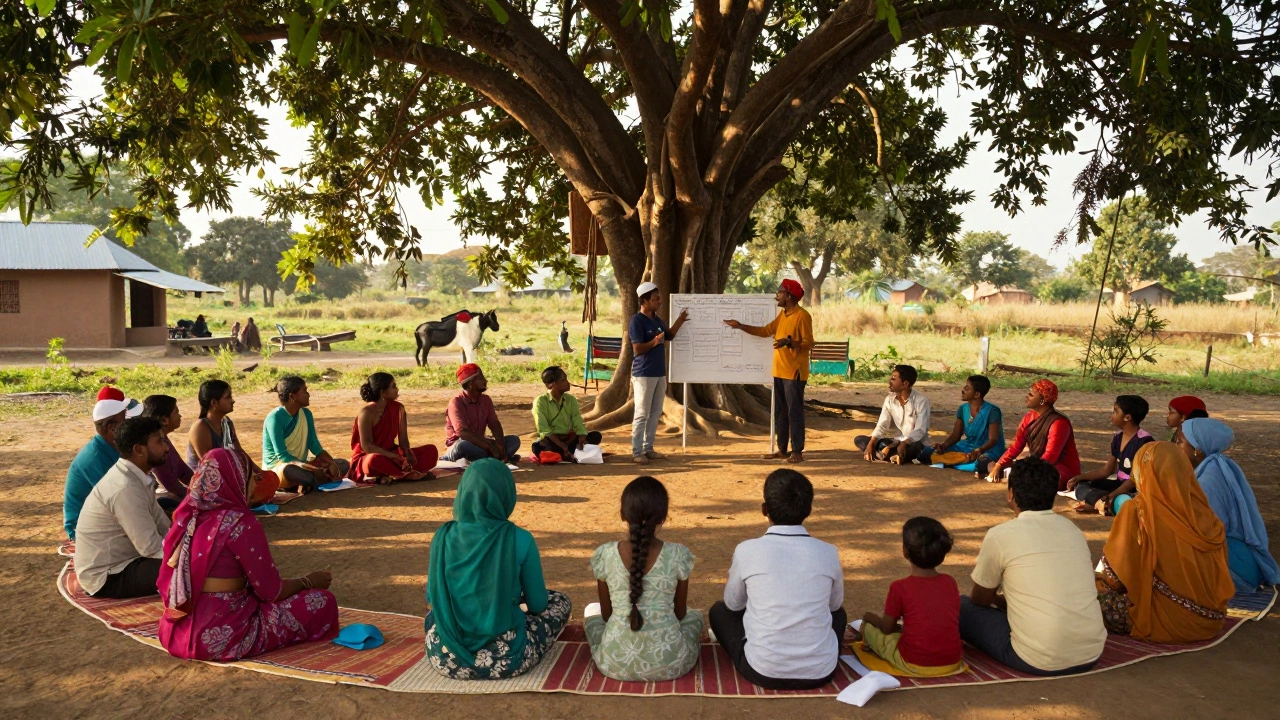
Outreach workers plan and execute community events designed to educate and empower. This could be a financial literacy workshop for low-income families, a health screening drive in a rural area, or a cultural festival to promote inclusivity. The worker handles everything from securing venues and hiring speakers to marketing the event to ensure attendance.
Partnership Development
No single organization can solve all community problems. Outreach workers constantly build relationships with other entities. They might partner with local businesses to create job training programs or collaborate with healthcare providers to offer free clinics. These partnerships expand the network of available resources, allowing the worker to offer more comprehensive support to their clients.
Policy Advocacy
When outreach workers see the same issues recurring-such as a lack of affordable housing or inadequate public transportation-they speak up. They gather data from their caseloads to highlight gaps in public policy. They may write reports, testify at city council meetings, or lobby legislators to change laws that negatively impact their community. This advocacy work ensures that the voices of marginalized groups are heard in decision-making rooms.
Essential Skills for Success
Anyone can have a good heart, but effective outreach requires specific competencies. Employers look for candidates who demonstrate the following skills:
| Skill Category | Specific Abilities | Why It Matters |
|---|---|---|
| Communication | Active listening, clear verbal expression, cultural sensitivity | Builds trust with diverse clients and explains complex resources clearly. |
| Problem-Solving | Critical thinking, adaptability, resourcefulness | Allows workers to find creative solutions when standard resources are unavailable. |
| Emotional Intelligence | Empathy, patience, resilience | Helps manage stress, avoid burnout, and connect deeply with clients in crisis. |
| Organization | Time management, record-keeping, multitasking | Ensures no client falls through the cracks amidst a heavy workload. |
| Technical Proficiency | Database management, CRM software, basic digital literacy | Necessary for tracking cases and accessing online resource directories. |
Cultural Competency is particularly important. Outreach workers serve diverse populations with varying backgrounds, languages, and beliefs. Understanding these differences prevents misunderstandings and ensures that services are delivered respectfully and effectively. For instance, knowing how to navigate language barriers by using interpreters or translated materials can make or break a client relationship.
Challenges and Burnout Prevention
It is impossible to discuss the duties of a community outreach worker without addressing the difficulties. The job is emotionally taxing. Workers frequently deal with trauma, poverty, and systemic injustice. Seeing clients struggle despite best efforts can lead to compassion fatigue and burnout.
Common Challenges Include:
- High Caseloads: Many organizations are understaffed, leaving workers overwhelmed with too many clients to manage effectively.
- Limited Resources: Workers often want to help but are constrained by funding cuts, waiting lists for housing, or lack of available mental health providers.
- Safety Concerns: Field work can sometimes involve entering unsafe environments or dealing with aggressive individuals, requiring strict safety protocols.
To mitigate these risks, successful outreach workers prioritize self-care. This includes setting clear boundaries between work and personal life, seeking supervision or therapy, and maintaining a strong support network. Organizations also play a role by providing regular debriefing sessions and ensuring manageable workloads.

Career Pathways and Education
How does one become a community outreach worker? The educational requirements vary by employer and specialization. Generally, a bachelor's degree in Social Work, SW, Psychology, Sociology, or Public Health is preferred. Some entry-level positions may accept an associate degree combined with relevant volunteer experience.
For those aiming for leadership roles or specialized clinical duties, a master's degree (MSW or MPH) may be necessary. Certifications in areas like Crisis Intervention or Substance Abuse Counseling can also enhance employability.
Career progression often moves from direct service roles to program coordination, management, or policy development. Experienced workers might start their own non-profits or consult for larger organizations, leveraging their deep understanding of community dynamics.
Conclusion
The duties of a community outreach worker extend far beyond simple administration. They are connectors, advocates, and lifelines for those on the margins of society. While the work is challenging, the impact is profound. By bridging the gap between need and resource, these professionals strengthen the fabric of our communities, one person at a time.
What is the difference between a community outreach worker and a social worker?
While there is overlap, social workers typically require a Master's degree (MSW) and can provide clinical therapy and deeper psychological intervention. Community outreach workers often focus more on prevention, education, and connecting clients to external resources rather than providing long-term therapeutic treatment. Outreach roles may have lower educational barriers to entry but still require strong interpersonal skills.
Do community outreach workers need a car?
In many cases, yes. Since outreach involves visiting clients in their homes, attending community events across different locations, and coordinating with various agencies, reliable transportation is often essential. Some employers provide vehicles or mileage reimbursement, but this varies by organization.
What are the typical working hours for an outreach worker?
Hours can be irregular. While many positions follow a standard 9-to-5 schedule, outreach workers often need to work evenings and weekends to accommodate clients who are employed during the day or to attend community events. Crisis situations may also require on-call availability.
Is community outreach work dangerous?
There can be risks, particularly when working in high-crime areas or with individuals experiencing severe mental health crises or substance abuse issues. However, most organizations provide safety training, buddy systems, and clear protocols for de-escalation to minimize danger. Personal safety is always a top priority.
How much does a community outreach worker earn?
Salaries vary widely based on location, education, and employer type. In the United States, entry-level positions may start around $35,000 to $45,000 per year, while experienced workers with advanced degrees in larger cities can earn $60,000 to $80,000 or more. Government and hospital positions tend to pay higher than small non-profits.