The 3 Main Groups of Environmental Problems Explained
 Apr, 10 2026
Environmental Problem Classifier
Can you identify which group these environmental symptoms belong to? Select a problem to see its classification and root cause.
Rising Sea Levels
Glaciers are melting and oceans are expanding due to heat.
Bee Colony Collapse
Pollinators are vanishing, threatening our global food system.
Microplastics in Blood
Synthetic materials from waste entering human biological systems.
Flash Droughts
Shifts in jet streams causing sudden, extreme dry periods.
Amazon Deforestation
Clearing rainforests for cattle ranching and soy plantations.
PFAS in Groundwater
Non-stick chemicals leaching into the water we use for crops.
Group: -
Select a problem above to see the details.
Key Takeaways
- Atmospheric Changes: Focused on heat-trapping gases and the warming of the planet.
- Biodiversity Loss: The rapid disappearance of species and the collapse of natural ecosystems.
- Pollution and Waste: The introduction of harmful chemicals and plastics into air, soil, and water.
The Atmospheric Group: More Than Just Warm Weather
When we talk about the first group, we are primarily discussing Climate Change. But it is a mistake to think this is just about the temperature going up a couple of degrees. This group involves the chemistry of the air we breathe and the energy balance of the entire planet. The core issue here is the accumulation of greenhouse gases, specifically Carbon Dioxide and Methane, which act like a blanket, trapping heat that should escape into space.
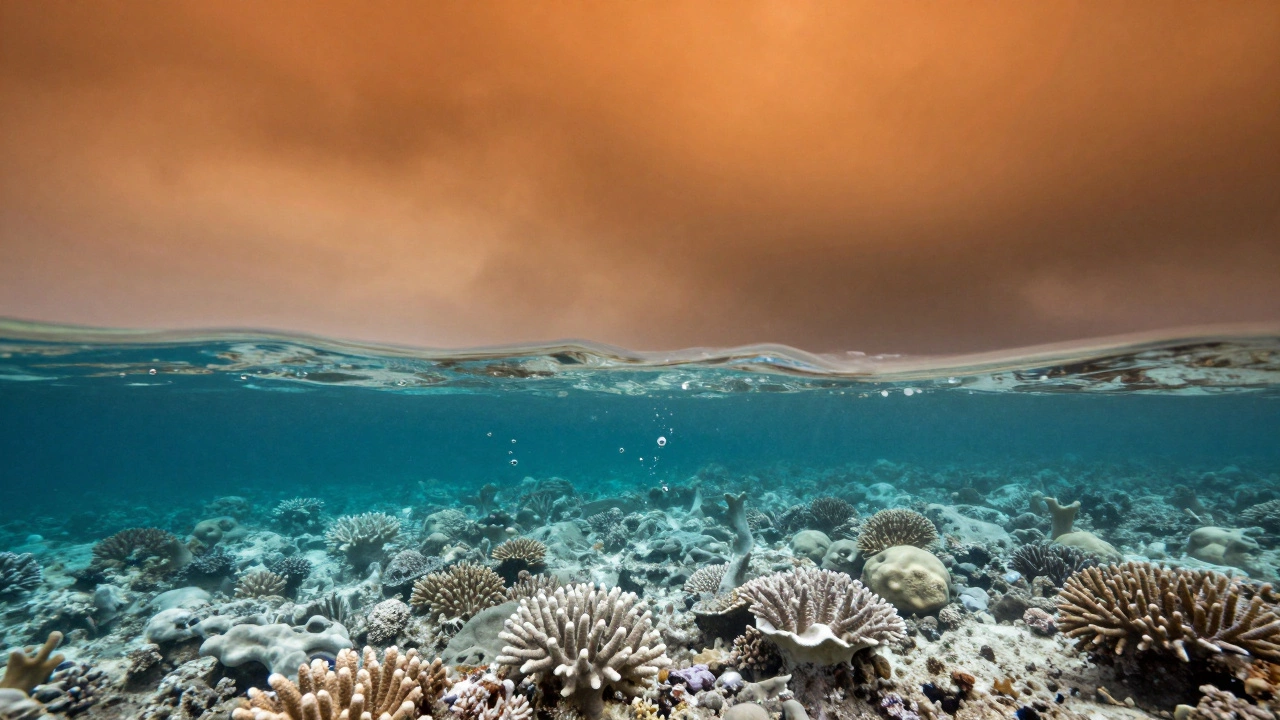
Think about the relationship between the atmosphere and the ocean. As the air warms, the ocean absorbs more heat and CO2. This leads to ocean acidification, which makes it nearly impossible for coral reefs to build their skeletons. If you've ever visited the Great Barrier Reef, you've seen the stakes. When the water gets too warm, corals bleach and die, which isn't just a "water problem"-it's a direct result of the atmospheric group of problems. We are seeing shifts in jet streams that cause "flash droughts" in some areas and catastrophic flooding in others, proving that these atmospheric shifts disrupt every other system on Earth.
The Biosphere Group: The Crisis of Vanishing Life
The second group focuses on the biological web. This is often called the "Sixth Mass Extinction." While the atmospheric group is about the conditions of the planet, the biosphere group is about the residents. The biggest driver here is habitat destruction. When we clear a rainforest in the Amazon to make room for cattle ranching or soy plantations, we aren't just removing trees; we are erasing the biological infrastructure that keeps the planet healthy.
Consider the role of Pollinators, like bees and butterflies. These aren't just cute insects; they are the invisible engine of our food system. According to data from the Intergovernmental Science-Policy Platform on Biodiversity and Ecosystem Services (IPBES), nearly one million species are currently threatened with extinction. When a key species disappears, it creates a domino effect. If the predators vanish, prey populations explode and overgraze the land, leading to soil erosion and the eventual collapse of the local food chain. This group of problems is particularly scary because once a species is gone, there is no "undo" button.
The Pollution Group: The Chemical Invasion
The third group involves the introduction of synthetic or toxic substances into the environment. While the first group changes the temperature and the second changes the population, this group changes the composition of our world. This includes everything from industrial smog and oil spills to the invisible microplastics now found in human blood and placentas.
A great example of this is the use of Per- and polyfluoroalkyl substances (PFAS), often called "forever chemicals." These substances are used in everything from non-stick pans to firefighting foam. Because they don't break down in nature, they accumulate in the soil and water. When a farmer uses contaminated water for crops, those chemicals enter the food chain. This is a systemic failure of waste management. We've treated the planet as a giant trash can for a century, and we're finally seeing the can overflow into our own bodies.
| Group | Primary Driver | Main Impact | Example Symptom |
|---|---|---|---|
| Atmospheric | Fossil Fuel Combustion | Global Temperature Rise | Rising sea levels |
| Biosphere | Land Use Change | Ecosystem Collapse | Bee colony collapse |
| Pollution | Industrial Waste | Toxicity/Contamination | Plastic in oceans |
How These Groups Feed Into Each Other
It is tempting to put these in separate boxes, but they actually function as a feedback loop. Let's trace one scenario: Imagine a massive forest fire in Canada or Australia. This is often triggered by the Atmospheric Group (extreme heat and drought). The fire then destroys the habitat of thousands of animals, which is a Biosphere Group failure. Finally, the smoke releases massive amounts of carbon and particulates into the air, which adds more fuel to the atmospheric warming and creates air pollution for cities thousands of miles away.
This interconnectedness is why Sustainable Development is the only real solution. You can't solve the pollution problem by just banning plastic straws if you're still burning coal to power the factories that make the straws. We have to address the energy source (Atmosphere), the land use (Biosphere), and the material lifecycle (Pollution) simultaneously. If we only fix one, the others will eventually pull the system back down.
Common Pitfalls in Environmental Thinking
One big mistake people make is focusing on "symptoms" rather than "systems." For example, focusing entirely on saving a single "charismatic" species, like the Giant Panda, without addressing the deforestation of the bamboo forests they live in. Saving the animal is a noble goal, but without fixing the biosphere group problem (habitat loss), the panda will never be truly safe. We have to move from a mindset of "conservation" (trying to keep a small piece of nature alive) to "regeneration" (actively rebuilding the systems that were destroyed).
Another trap is the belief that technology alone will save us. While Carbon Capture technology is an interesting tool, it doesn't solve the biodiversity crisis or the plastic pollution in our groundwater. A technological fix for the atmospheric group doesn't automatically fix the biosphere group. We need a combination of high-tech solutions and old-school wisdom, like indigenous land management practices that have kept ecosystems balanced for thousands of years.
Are these three groups the only environmental problems?
No, there are hundreds of specific problems. However, almost every issue-whether it's acid rain, overfishing, or smog-fits into one of these three broad categories. This categorization helps scientists prioritize resources and find the root causes that link different problems together.
Which of the three groups is the most urgent?
It's a bit like asking which organ in your body is most important. They are all critical. While climate change (Atmospheric) gets the most headlines, biodiversity loss (Biosphere) is often seen as just as dangerous because it threatens the very foundation of our food and water security. Pollution can cause immediate health crises for millions. They are all urgent and interconnected.
Can one action help all three groups at once?
Yes! Reforestation and the restoration of mangroves are perfect examples. Planting native forests sucks carbon out of the air (Atmospheric), provides a home for endangered species (Biosphere), and filters pollutants out of the runoff before they reach the ocean (Pollution).
How does pollution affect the biosphere?
Pollution often acts as a catalyst for biodiversity loss. For instance, pesticide runoff into streams kills aquatic insects, which then starves the fish and birds that rely on those insects. Similarly, plastic ingestion causes starvation in sea turtles and whales, directly contributing to the decline of species populations.
What is the difference between climate change and environmental problems?
Climate change is one specific, massive problem that falls under the Atmospheric group. "Environmental problems" is the umbrella term for everything, including things that have nothing to do with climate, such as oil spills or the over-hunting of rhinos.
Next Steps for Getting Involved
If you're feeling overwhelmed, the best approach is to pick one group that resonates with you and start there. If you care about the Atmosphere, look into reducing your carbon footprint or supporting renewable energy initiatives. If the Biosphere moves you, try planting native gardens to support local pollinators or supporting land trusts that protect old-growth forests.
For those interested in the Pollution group, start by auditing your own waste. Reducing single-use plastics is a start, but pushing for systemic change-like supporting laws that hold corporations accountable for the entire lifecycle of their packaging-is where the real impact happens. Remember, you don't have to solve the whole world's problems tomorrow; just start by understanding which group your habits are affecting and make one small, intentional shift.