How to Conduct a Community Outreach: Step-by-Step Guide for Real Results
 Mar, 17 2026
Community Needs Assessment Calculator
Discover Real Community Needs
This tool helps you identify and prioritize unmet needs in your community through structured listening. Start by understanding your community segments and their specific challenges.
Rate each need by how urgent it is and how much impact it would have on the community.
Top Community Needs
Next Steps
Now that you've identified your community's top needs, consider these next steps:
- Reach out to local partners who can help address this need
- Start small with a pilot program
- Listen to community members about how they want to solve this problem
Running a successful community outreach isn’t about handing out flyers or hosting one-off events. It’s about building trust, listening deeply, and showing up-consistently. Too many organizations treat outreach like a checkbox task: "We did a food drive, we’re done." But real change happens when you stop asking what the community needs and start asking how they want to solve it.
Start by Listening, Not Talking
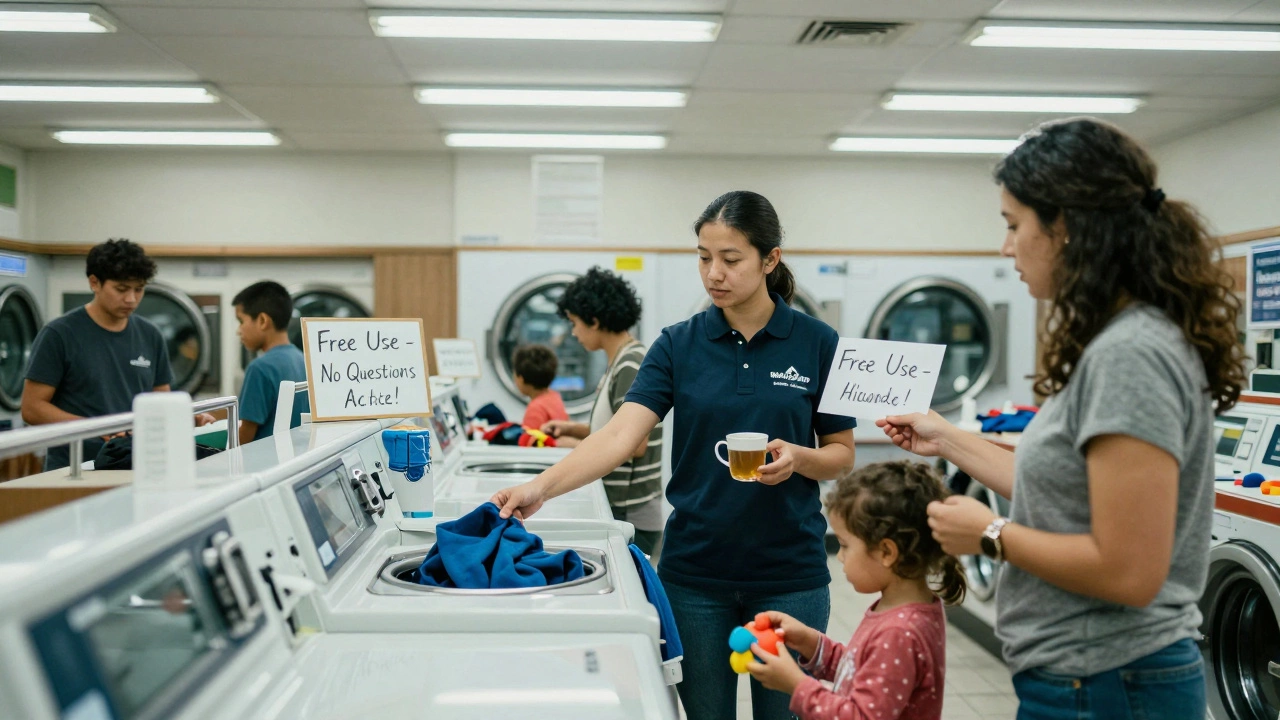
Before you plan a single event, spend time where people already are. Go to the local market, sit on the bench outside the community center, chat with parents at the playground. Don’t bring a clipboard. Don’t ask for feedback forms. Just ask open questions: "What’s something that’s been hard for you lately?" or "What’s one thing you wish people understood about this neighborhood?" In 2024, a nonprofit in Logan, Queensland, spent six weeks just talking to residents before launching their outreach program. They didn’t set up a single booth. They ended up with a list of 17 unmet needs-not the top three they assumed. One of them? Free access to laundry machines. That became their first project. No grants. No big campaign. Just a single machine and a volunteer schedule. Within three months, 80 families were using it regularly.Know Who You’re Trying to Reach
Not every community is the same. A rural town’s needs look nothing like a suburban housing estate’s. And even within a suburb, different pockets have different realities. Break your target audience into clear groups:- Older adults living alone
- Single parents working multiple jobs
- Youth aging out of foster care
- New migrants with limited English
- People without stable housing
Build Partnerships, Not Programs
You don’t need to do everything yourself. In fact, trying to do everything often makes things worse. The strongest outreach programs are built on partnerships. Look for local allies:- The corner store owner who sees everyone who walks in
- The local church that hosts weekly meals
- The high school teacher who notices kids skipping breakfast
- The public library staff who know who’s not showing up for services
Use Simple, Clear Messaging
No jargon. No corporate buzzwords. No vague promises like "empowering communities." Instead:- "Free hot meals every Tuesday at the library"
- "We’ll help you fix your car for free-no questions asked"
- "Bring your kids. We’ll watch them while you talk to a counselor"
Make It Easy to Participate
Barriers kill outreach. If you need ID, a bank account, or an appointment, you’re excluding people who need help most. Ask yourself:- Do people need to fill out a form just to get a meal?
- Is your event only on weekdays, when working parents can’t attend?
- Do you have transport options for those without cars?
- Can someone show up without speaking English?
Track What Matters
You don’t need fancy software. You need to know if you’re helping. Forget counting heads. Track outcomes:- How many people came back after their first visit?
- Did someone get a job because of the resume help you offered?
- Did a parent say they felt less alone after the support group?

Stay Consistent
Outreach isn’t a campaign. It’s a commitment. One-off events create temporary hope. Regular presence builds lasting trust. A group in Redcliffe started showing up at the same park every Saturday morning with coffee, blankets, and a small table. No agenda. No speeches. Just presence. After six months, people started bringing their own chairs. Then, they started bringing friends. Then, they started helping each other. You don’t need to be flashy. You need to be reliable.What to Avoid
- Don’t show up only during crises. People remember when you left.
- Don’t assume you know what’s best. You’re there to support, not lead.
- Don’t use volunteers as free labor. Treat them like partners.
- Don’t ignore cultural differences. A gesture that’s kind in one culture might be offensive in another.
- Don’t quit when funding ends. Real change outlasts grants.
Real Example: The Laundry Project
In 2023, a small team in South Brisbane noticed families washing clothes in sinks. They asked: "What if we just gave people access to a washer and dryer?" They partnered with a local laundromat. The owner agreed to open one hour early every Tuesday for free use. Volunteers signed people in, taught them how to use the machines, and offered a cup of tea while they waited. No application. No forms. No eligibility check. In six months:- 1,200 loads washed
- 78 families returned regularly
- Three new community connections formed-two led to job placements
What’s the biggest mistake people make in community outreach?
The biggest mistake is assuming you know what the community needs before you’ve listened. Most outreach fails because it’s designed from the top down-not the ground up. You might think people need food, but what they really need is dignity, connection, or someone to show up on a Tuesday morning without an agenda.
Do I need funding to start a community outreach?
No. Many of the most effective outreach efforts start with zero budget. What you need is time, a few willing volunteers, and the courage to show up without permission. A free space, a table, and a willingness to listen can be more powerful than a grant. Start small. Prove the need. Then find funding.
How do I get people to show up?
You don’t get people to show up-you earn the right to be seen. Start by being present where people already gather. Talk to them. Help them with something small. Then, when you invite them to an event, they’ll come because they trust you-not because you’re offering free stuff. Trust is built in small moments, not big announcements.
What if people are distrustful of outsiders?
Distrust is normal. Many communities have been burned by well-meaning outsiders who left after a few months. The answer isn’t more promises-it’s consistency. Show up every week. Don’t make big claims. Don’t take credit. Let people see you over time. It might take six months, but if you’re steady, they’ll start to open up.
Can I do this alone?
You can start alone, but you can’t sustain it alone. Outreach isn’t a solo mission-it’s a community effort. Find one person who cares. Then ask them to bring someone else. Slowly, it grows. Your job isn’t to do everything. Your job is to create space for others to step in.